
the blog
If you’re trying to decide between low-code and no-code website builders, the answer really comes down to how much control you want versus how much effort you’re willing to put in. No-code platforms are built for simplicity, you can launch a site without touching a single line of code. Low-code tools, on the other hand, give you more flexibility, but they expect you to have at least some technical knowledge. From our experience working on web design in singapore projects, both options have their place. The “right” choice depends on your goals, your timeline, and how customised your website needs to be.

Let’s keep this simple. No-code tools are designed for speed. You pick a template, drag things around, add your content, and you’re live. It’s ideal if you just want something clean and functional without overthinking it.
Low-code is a bit different. You still get visual tools, but you also have the option to tweak things behind the scenes. That’s where the flexibility comes in.
We often see clients start with no-code because it feels easy. Then, as their business grows, they realise they need more control, this is where low-code starts to make more sense.
Here’s a simple way to look at it:
| Feature | No-Code Builders | Low-Code Builders |
| Ease of use | Very easy | Moderate |
| Customisation | Limited | High |
| Time to launch | Fast | Slightly longer |
| Technical skills | Not required | Basic knowledge helps |
| Scalability | Limited for complex needs | Better for growing businesses |
There’s a reason no-code tools are so popular, they just work for a lot of people.
If you’re:
then no-code is honestly a solid choice.
We’ve worked with businesses that went live in just a few days using no-code platforms. No stress, no delays, no heavy investment. But here’s the catch, what works at the start doesn’t always hold up later.
As soon as you need deeper integrations, better performance, or a more tailored user experience, those limitations start to show.

Low-code is where things get interesting. It gives you room to grow. You’re not boxed into rigid templates, and you can shape the site around your actual business needs.
For example, if you’re running:
then low-code is usually the better route. From what we’ve seen in website design in Singapore projects, businesses that think long-term tend to lean towards low-code—even if it takes a bit more effort upfront.
If we had to simplify everything into one line, it’s this:
Neither is “better” in every situation. It’s more about what stage your business is at.
This is where many decisions go wrong.
People usually focus on how fast they can build a website. But they don’t think about what happens after that.
Here are a few things worth considering:
This is something we often highlight when discussing Singapore web design strategies with clients.
If you want a quick, straightforward answer:
But in reality, most businesses don’t fall neatly into one box.
Some start with no-code, validate their idea, then move to low-code. Others go straight into low-code because they already know what they need.
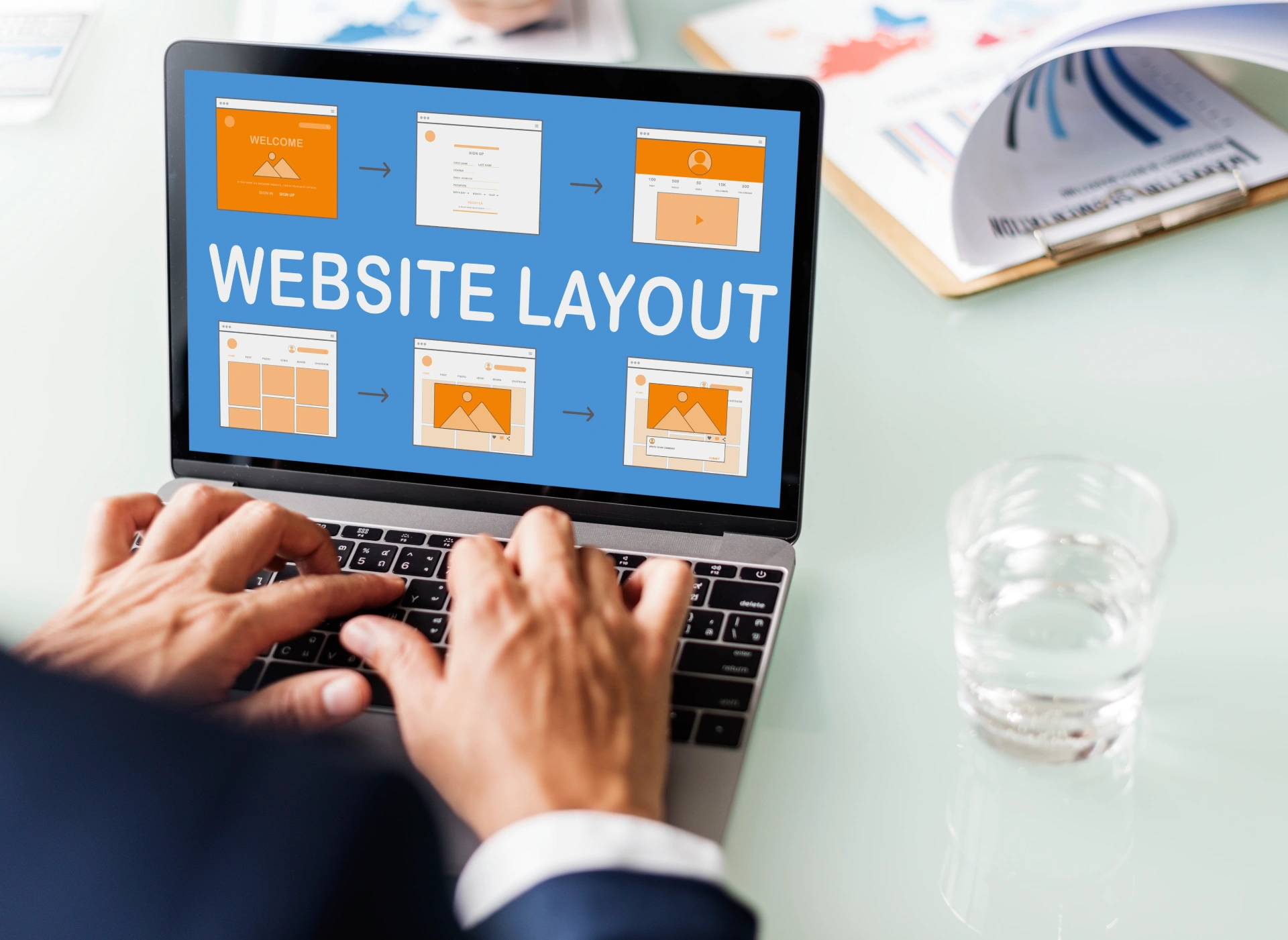
Your website isn’t just a design, it’s part of your entire digital presence.
That’s why this decision also connects with:
A good SG web designer doesn’t just ask “what looks nice?” They ask, “what actually works for your business?”
At the end of the day, choosing between low-code and no-code isn’t about trends—it’s about what actually fits your business right now and where you want to go next.
We’ve seen both approaches work. We’ve also seen both fail when chosen for the wrong reasons. That’s why it helps to look beyond just “building a website” and think about the bigger picture.
At iClick Media, we work closely with businesses to figure out what makes sense—not just today, but six months or a year down the line. Whether it’s web design in Singapore, performance optimisation, or long-term strategy, the focus is always on building something that lasts, not just something that launches.
1. Is no-code really enough for a business website?
Yes, for simple websites. But if your needs grow, you might outgrow it quickly.
2. Do I need coding skills for low-code platforms?
Not advanced skills, but basic understanding definitely helps.
3. Which option is better for SEO?
Low-code usually offers more control, which can help with search engine optimisation.
4. Can I switch from no-code to low-code later?
Yes, but it often involves rebuilding parts of your website.
5. What do most businesses in singapore website design choose?
It depends on their goals, but many eventually move towards more flexible solutions as they scale.

Terence Sim is the founder of iClick Media, a leading digital marketing agency. With deep expertise spanning web design, SEO, AEO, GEO, and social media marketing, he helps brands build dominant online presence and navigate the evolving search landscape. When he isn't driving digital growth for clients, Terence writes about the future of AI-driven visibility and search technology.